


Disposable Vapes
How to Safely Recycle Disposable Vapes: A Guide to WEEE Compliance in Europe
Expert Analysis & Industry Overview
Authoritative Insight: This technical analysis is authored by Jack, founder of VapeXYZ. With over six years of specialized experience in product development, manufacturing, and international sales within the disposable vape sector, Jack provides a deep-dive into the lifecycle, engineering, and regulatory landscape of vapes. As the leading wholesale platform serving the Netherlands, Germany, Belgium, France, Portugal, Spain, Poland, and Denmark, VapeXYZ integrates real-world market data with technical compliance standards to guide European retailers.
The global hardware market has seen disposable vapes fundamentally disrupt traditional consumption patterns. Driven by an emphasis on user convenience, consistent taste delivery, and immediate operational readiness, these devices have seen exponential growth across Europe. However, this commercial success introduces a complex engineering and environmental challenge. Unlike legacy systems, disposable vapes represent a unique convergence of electronic waste (e-waste), chemical management, and polymer science.
As the founder of VapeXYZ, the largest online wholesale platform for disposable vapes in Europe, I have observed that transparency in technical specifications is vital. While we supply high-performance products to markets like Germany and France, we must also lead the industry in analyzing the ecological footprint of these systems. This report provides an empirical evaluation of disposable vapes, utilizing industry-standard benchmarks and EU regulatory frameworks.
1. Market Dynamics: Volume and the Circular Economy
To evaluate the environmental scale, we must analyze current distribution metrics. Data from 2024-2025 indicates that in major European hubs, approximately 5.5 to 7 million disposable vapes are circulated weekly. In high-density markets like France and Germany, monthly distribution figures often exceed 25 million units.
The engineering appeal is significant. For users seeking a smooth transition from traditional methods, the disposable vape offers a zero-maintenance interface. There are no technical adjustments required, and the pre-filled volume is ready for immediate vaporization. However, the current “Linear Economy” model (Extract, Manufacture, Use, Discard) necessitates a shift toward the goals of the European Green Deal.
Strategic Wholesale Insight
At VapeXYZ, our bulk supply chain metrics show a 320% increase in demand for high-capacity disposable vapes over the last 24 months. This volume imposes a specific responsibility on wholesalers to ensure all inventory complies with the WEEE (Waste Electrical and Electronic Equipment) Directive and Tbcco Products Directive standards.
2. Anatomy of the Device: Hardware Specifications
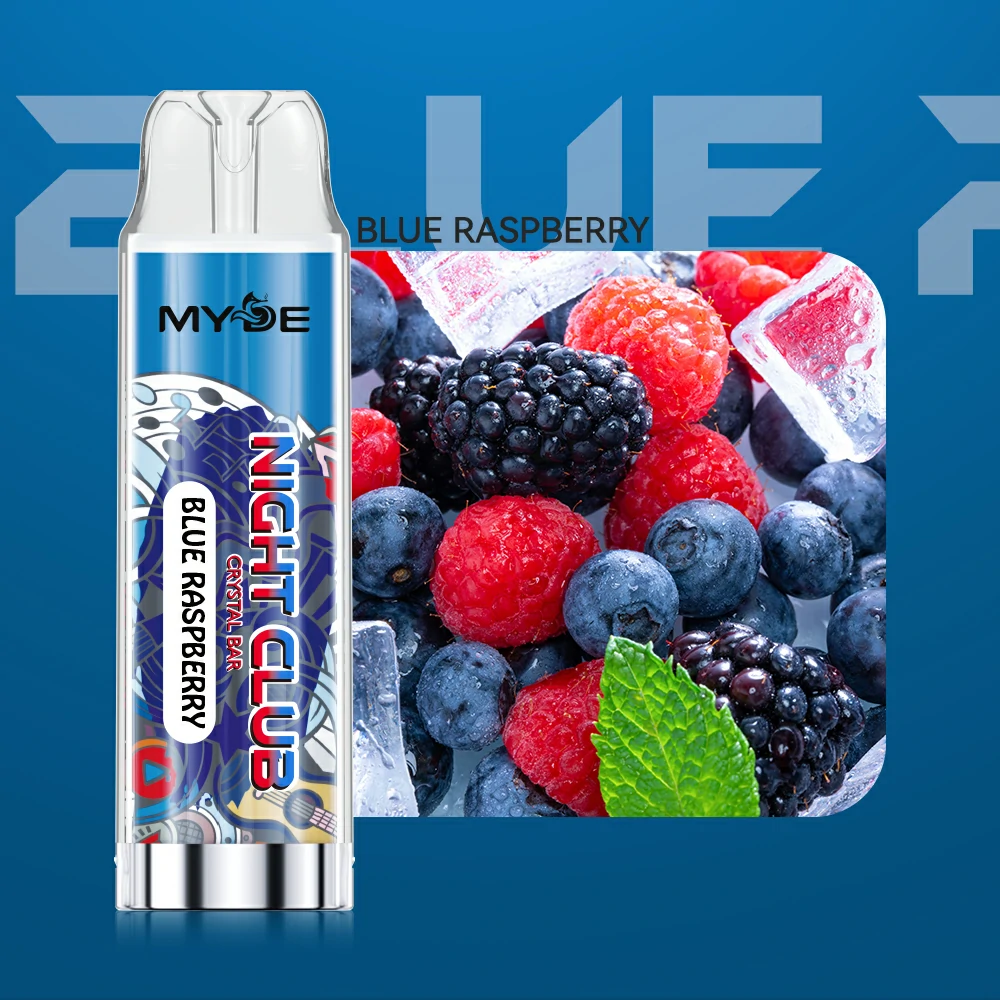
A disposable vape is a sophisticated piece of micro-engineering. Our technical teardowns of leading brands, such as RandM Tornado or Elf Box, reveal three integrated systems:
The Power Cell
High-density Lithium-ion polymer (LiPo) batteries, typically 350mAh to 850mAh. These contain critical raw materials (CRMs) like Lithium and Cobalt.
Thermal Delivery
An atomizer system featuring a Kanthal or Mesh heating element and organic cotton wicking, optimized for a consistent and satisfying experience.
The Chassis
Precision-molded Polycarbonate (PC) or ABS casing housing the Integrated Circuit (IC) boards and pressure-sensitive sensors.
3. The Lithium Resource Dilemma
The battery in a disposable vape is its most resource-intensive component. These batteries are energy-dense units designed for multiple charge cycles, yet in a disposable vape, they are often used for a single discharge cycle.
Industrial estimations suggest that over 10 tonnes of high-grade lithium are discarded annually across Europe via disposable vapes. This is sufficient to power approximately 1,200 electric vehicle battery packs. The loss of these Critical Raw Materials (CRMs) underscores the need for localized recycling initiatives.
| Material | Industrial Function | Recovery Efficiency | Ecological Impact |
|---|---|---|---|
| Lithium | Anode/Cathode energy storage | ~50% (Current tech) | High fire risk in standard waste streams |
| Cobalt | Thermal stability in cells | >90% (Hydrometallurgy) | Toxic leaching potential in landfills |
| ABS Plastic | Structural durability | Low (Due to contamination) | Degradation into microplastics |
4. Regulatory Compliance: WEEE and Tbcco Products Directive
Within the European Union, vapes are classified as electrical and electronic equipment. Therefore, they are governed by the WEEE Directive (2012/19/EU). This framework requires that producers and importers (including those utilizing VapeXYZ for bulk procurement) contribute to the financial infrastructure of e-waste recovery.
Additionally, the RoHS Directive (Restriction of Hazardous Substances) ensures that the internal electronics of disposable vapes—such as the solder on the PCB—are free from lead, mercury, and cadmium. Verification of these standards is a prerequisite for all inventory listed on our platform.
Professional Compliance Note
European retailers sourcing bulk disposable vapes must legally provide a 1-for-1 recycling scheme. When a customer acquires a new vape, the retailer must offer a channel for the disposal of the end-of-life unit.
5. Comparative Lifecycle Analysis
To provide an objective overview, we compare the environmental impact of disposable vapes against other categories in the hardware sector.

6. Overcoming Recycling Barriers in Hardware Design
The primary obstacle to efficient recycling is the monolithic construction of disposable vapes. To maintain structural integrity and comply with Tbcco Products Directive safety standards, components are often ultrasonic-welded or adhesive-bonded.
Proper industrial recycling of vapes requires four distinct stages:
- 1. Mechanical Separation: Deconstructing the outer chassis without compromising the battery.
- 2. Battery Neutralization: Discharging and isolating the Li-ion cell to prevent thermal events.
- 3. Material Segregation: Separating copper wiring from aluminum or steel heating elements.
- 4. Solvent Cleaning: Removing residues from the polymer casing to allow for secondary plastic processing.
7. Future-Proofing the Industry: Innovation & ESG
Sustainability in the vape industry requires a multi-stakeholder strategy. At VapeXYZ, we are collaborating with production facilities in Shenzhen to implement design improvements that align with European environmental standards.
Technical Pathways for Manufacturers
- Bio-Compatible Polymers: Replacing ABS with Polylactic Acid (PLA) or recycled PC to reduce carbon intensity.
- Modular Design: Implementing snap-fit assembly to facilitate easier battery removal at end-of-life.
- Advanced Power Systems: Investigating graphene-based cells with lower toxicity profiles for high-capacity disposable vapes.
Wholesale and Retail Logistics
As the largest wholesaler in the Netherlands, Germany, and France, we recommend that partners implement clear collection points. Utilizing battery recycling tubes found in most EU supermarkets is a valid path for disposable vapes.
8. EU Regulatory Evolution: Looking Toward 2027
The European Union is introducing stricter mandates. The New EU Battery Regulation dictates that by 2027, batteries in portable electronic devices must be easily removable by the user. This represents a significant design shift for “closed-system” disposable vapes.
This shift will likely catalyze the emergence of “Hybrid Disposables”—devices that maintain the smooth and consistent user experience of current models while featuring a detachable power unit. VapeXYZ is proactively curating inventory to meet these forthcoming compliance milestones.
9. Technical & Environmental FAQ
Q1: Why are disposable vapes excluded from standard plastic recycling bins?
Standard plastic recycling facilities are not equipped to handle the lithium-ion battery. If crushed, the cell can short-circuit and cause fires, while internal chemical residues can contaminate the batch of plastic.
Q2: What is the primary environmental risk of battery leaching?
If a vape battery leaks in a non-sealed landfill, heavy metals like cobalt can enter the groundwater. This necessitates professional disposal through certified e-waste channels.
Q3: How does VapeXYZ ensure the quality of its wholesale inventory?
We perform supplier vetting based on ISO 14001 standards and technical defect rates. Defective units are handled through specialized e-waste partners to ensure hazardous component recovery.
Conclusion: Driving Sustainable Growth in the Vape Sector
The disposable vape industry is maturing. Consumer demand across Poland, Denmark, Spain, and the Benelux region remains robust for high-quality, refreshing variety options. However, long-term market viability depends on integrating environmental responsibility into the engineering lifecycle. By adhering to the Tbcco Products Directive and WEEE frameworks, we can ensure that vaping continues to serve as a consistent alternative for adults while protecting environmental health.
Scale Your Business with Europe’s Largest Wholesale Platform
Secure the best wholesale pricing on bulk disposable vapes. We provide fast, compliant shipping to the Netherlands, Germany, France, Spain, Belgium, and beyond.
VapeXYZ: Your Trusted Partner for High-Performance Vapes.