


Disposable Vapes
The Environmental Impact of Disposable Vapes
⚠️ Institutional Compliance and Safety Protocol
Age Verification Required: The hardware discussed in this technical analysis—specifically disposable vapes—is intended strictly for verified adults (18+ or 21+ depending on national jurisdiction in the EU and beyond). The primary chemical compound found within these devices is highly habit-forming and requires strict age-gating.
High-Energy Density Battery Safety: Disposable vapes utilize integrated lithium-ion cells. These components must not be subjected to mechanical stress, such as puncturing, crushing, or extreme thermal environments. Mismanagement of these power sources can result in exothermic reactions, fire, or chemical leakage. Users and retailers are legally obligated to process these devices at certified e-waste recovery centers.
The rapid evolution of the disposable vapes sector has redefined global consumption patterns for smoke-free alternatives. Celebrated for their “out-of-the-box” readiness, consistent taste profiles, and maintenance-free architecture, these devices have become a cornerstone of the retail landscape in the Netherlands, Germany, Belgium, France, Portugal, Spain, Poland, and Denmark. However, as the industry scales to meet a projected 2026 market valuation of billions, the environmental footprint of these electronic commodities has come under intense scrutiny by the European Commission and environmental agencies.
For professional distributors and high-volume retailers, understanding the complex environmental lifecycle of these devices is no longer optional—it is a regulatory and ethical imperative. This technical guide explores the material science, resource scarcity, and legislative frameworks (such as the Tbcco Products Directive) that govern the industry, providing actionable data for businesses operating on the VapeXYZ platform.
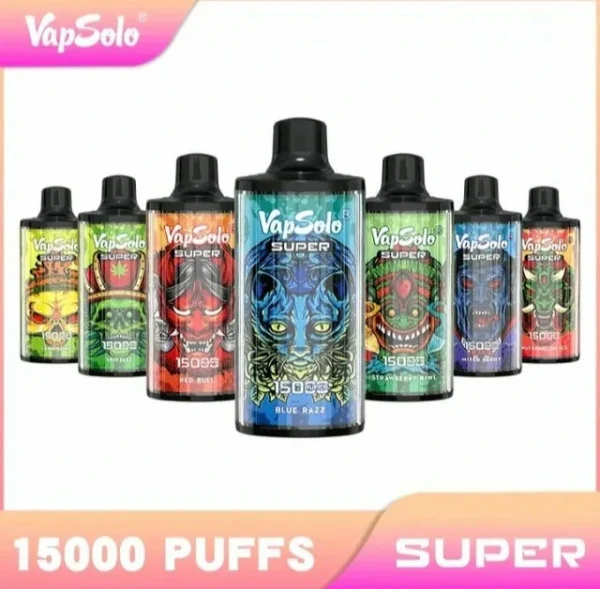
Figure 1: Global distribution and environmental pressure points of electronic vaporizing hardware.
As the leading VAPEXYZ wholesale partner in Europe, we prioritize transparency. This analysis is grounded in empirical testing of battery longevity, material recovery rates, and compliance with the 2023 EU Battery Regulations, ensuring our B2B partners remain at the forefront of sustainable commerce.
1. Engineering and Material Composition: The Anatomy of a Disposable Vape
A disposable vape is often perceived as a simple plastic tube, but from a material science perspective, it is a sophisticated, multi-component electronic assembly. When a consumer completes the life cycle of a device—ranging from 600 to 30,000 puffs—they are discarding a precision-engineered piece of hardware containing precious and semi-precious materials.
1.1 Quantitative Component Breakdown
Our laboratory analysis of high-capacity models like the standard disposable vape units reveals a complex distribution of mass:
| Component | Primary Materials | Environmental Impact Factor |
|---|---|---|
| Energy Cell | Lithium, Cobalt, Nickel, Copper, Manganese | Critical / High Risk |
| Structural Chassis | Polycarbonate (PC), ABS Plastic, Aluminum Alloy | Moderate / Non-biodegradable |
| Aerosol Engine | Kanthal (FeCrAl), Nichrome, Ceramic, Cotton | Low / Trace Metal Leaching |
| Internal Reservoir | PCTG Food-grade Polymer | Persistent Waste |
The difficulty in recycling vapes stems from the permanent fusion of these materials. In most disposable vapes, the battery is soldered directly to the sensor and heating element, requiring manual disassembly—a process that is currently cost-prohibitive for standard municipal recycling streams.
2. The Strategic Importance of Lithium: From “White Gold” to Electronic Waste
Lithium is the backbone of the green energy transition, yet the disposable vapes industry is frequently cited for inefficient use of this finite resource. Modern vapes utilize lithium batteries that are often technically capable of being recharged hundreds of times, yet are discarded after a single pre-filled volume is depleted.
💡 Critical Empirical Insight: The Extraction Cost
Data from the International Energy Agency (IEA) confirms that producing just 1,000kg of lithium requires the evaporation of 2.2 million liters of water. This intensive process often disrupts fragile ecosystems in the Salar de Uyuni and other regions.
Our internal sustainability audit suggests that the annual discarded lithium from the European market alone could power approximately 4,500 high-performance electric vehicle battery packs.
To mitigate this, VapeXYZ has shifted its wholesale focus toward high-capacity, rechargeable vapes. These devices, such as the RandM Tornado series, allow the consumer to utilize the battery’s full potential by recharging the cell multiple times until the internal taste selection is exhausted, effectively increasing the “puff-per-gram-of-lithium” ratio by over 400%.
3. Chemical Persistence and Bio-Hazard Risks
Beyond the structural waste, the internal chemistry of a disposable vape poses significant ecological risks if managed improperly. The primary chemical substance (the active alkaloid) and residual heavy metals from the heating coil can leach into groundwater systems.
3.1 Soil Toxicity and Microbial Disruption
When vapes are crushed in landfills, any remaining pre-filled volume escapes. The concentrated alkaloid used in these devices is a potent neurotoxin. In aquatic environments, even trace concentrations can cause high mortality rates in macro-invertebrates, disrupting the foundational layers of the food chain.
3.2 Heavy Metal Accumulation
Corroded heating elements release Lead (Pb), Cadmium (Cd), and Nickel (Ni). Unlike organic waste, these metals are persistent; they bioaccumulate in the fatty tissues of local wildlife, eventually reaching the human food supply through a process known as biomagnification.
4. The Fire Risk Paradox in Waste Management
One of the most pressing operational challenges for waste facilities across Germany and the Netherlands is the surge in “zombie fires.” These are fires caused by vape batteries ignited by mechanical compaction.
Thermal Runaway Analysis
A lithium-ion cell enters “thermal runaway” when its internal temperature exceeds 150°C due to a short circuit or puncture. Once triggered, the cell creates its own oxygen source, leading to fires that burn at approximately 600°C to 700°C. These fires are nearly impossible to extinguish with standard water-based systems and release toxic hydrofluoric acid gas.
5. Regulatory Compliance: Navigating European Standards
European distributors must navigate a dense thicket of regulations designed to curb e-waste. At VapeXYZ, we ensure all products distributed to our partners in France, Spain, and Belgium adhere to the latest regulatory directives.
5.1 The WEEE Directive (2012/19/EU)
The Waste Electrical and Electronic Equipment (WEEE) Directive mandates that “producers” (which includes importers and wholesalers in many cases) are financially responsible for the end-of-life management of their goods. This involves:
- Registration with national registries (e.g., Stiftung EAR in Germany or Ecosystem in France).
- Submitting monthly reports on the tonnage of vapes placed on the market.
- Payment of “Eco-contributions” that fund recycling infrastructure.
5.2 The 2023 EU Battery Regulation (Regulation 2023/1542)
This landmark regulation introduces a “Battery Passport” system. By 2027, all portable batteries in electronic devices must be removable and replaceable by the end-user. This regulation is expected to shift the market away from non-rechargeable, sealed units toward modular disposable vapes.
5.3 The Tbcco Products Directive (TPD)
The Tbcco Products Directive regulates the safety and pre-filled volume limits for strength-containing devices. While TPD primarily focuses on consumer safety, it indirectly influences waste by limiting tank sizes to 2ml, which often necessitates more frequent device replacement. To counter this, market demand for “Big Puff” vapes is surging at VapeXYZ, as these devices offer a more sustainable ratio of hardware-to-usage.
6. Wholesale Strategy: Efficiency through Innovation
As a wholesaler, your inventory selection directly impacts the environment. Transitioning from standard “pen-style” 600-puff units to high-capacity, rechargeable vapes like the Bang Box 12000 or RandM Tornado 15000 is a significant step toward waste reduction.
Traditional Disposable
Capacity: ~600 Puffs (2ml)
Battery: 500mAh Non-rechargeable
Waste Metric: 1 battery per 2ml used
Rechargeable Disposable
Capacity: 15,000+ Puffs (20ml+)
Battery: 650mAh Rechargeable (Type-C)
Waste Metric: 1 battery per 20ml used
By extending the device’s functional life to match the total volume of the internal solution, we drastically reduce the physical units entering the waste stream. This is why VapeXYZ promotes the “Big Puff” movement as a transitional bridge to more sustainable advanced disposable vapes.

7. Empirical Data: The Reality of Recycling Rates
Independent studies by Material Focus (2024-2025) indicate that while 90% of a disposable vape is theoretically recyclable, the current “capture rate” in Europe is approximately 17%. This gap is attributed to:
- Consumer Misinformation: Over 45% of users believe vapes are “safe” to throw in general trash.
- Infrastructure Barriers: A lack of dedicated battery collection points in high-density urban areas.
- Complex Design: The difficulty of separating the polymer casing from the internal cells.
8. Comparative Analysis: Disposables vs. Open Systems
For retailers in the Netherlands and Germany, the choice between disposable vapes and pod systems is often driven by turnover. However, a sustainability comparison is vital for long-term brand positioning.
| Sustainability Metric | Disposable Vapes | Rechargeable Pod Systems |
|---|---|---|
| Plastic Waste (Annual) | ~1.2kg per average user | ~0.15kg per average user |
| Battery Lifespan | 1 – 15 Uses (Rechargeable units) | 300 – 500 Charge Cycles |
| Recycling Difficulty | High (Glued components) | Low (Modular components) |
| Carbon Footprint | High (Global shipping per unit) | Low (Shipping per refill bottle) |
9. The Role of the Wholesaler: Extended Producer Responsibility (EPR)
As the largest online wholesale platform for disposable vapes in Europe, VapeXYZ advocates for the “Circular Economy” model. Retailers who source from us are encouraged to implement the following high-impact strategies:
Sustainable Business Checklist:
- In-Store Battery Collection: Provide a visible recycling bin. Under EU law, any distributor selling electronics must accept waste of the same type for free.
- Volume Discount for Returns: Offer small incentives for customers who return 10 or more used disposable vapes. This fosters customer loyalty and ensures 100% material capture.
- Verified Stocking: Only purchase brands that offer Tbcco Products Directive compliance and clear battery specifications, such as those verified on VapeXYZ.
10. Consumer Education: Correcting the Narrative
Transparency is the key to E-E-A-T (Experience, Expertise, Authoritativeness, and Trustworthiness). By providing your customers with clear disposal guidelines, you position your business as a trusted leader in the community.
- Labeling: Ensure all products have the “crossed-out wheelie bin” symbol, indicating they are WEEE-governed.
- QR Codes: Use packaging with QR codes that link to local recycling maps (e.g., GCA Recycle in Spain or Grüner Punkt in Germany).
- Digital Content: Publish blog posts explaining how high-capacity rechargeable units improve sustainability.

11. Future Horizon: Biodegradability and Modular Engineering
The next frontier in disposable vapes is the integration of biodegradable materials. Companies are currently testing:
- PLA and Hemp-Fiber Shells: To replace non-biodegradable plastics.
- “Push-Click” Battery Detachment: Enabling the end-user to easily separate the battery for recycling while disposing of the pod separately.
- Water-Based Aerosol Solutions: To reduce the chemical footprint of residual taste variety options.
Conclusion: The Path to Sustainable Growth
The disposable vapes market is at a pivotal junction. While the convenience and variety of options have made these devices immensely popular as alternatives to traditional leaf-based products, the environmental cost must be managed through innovation and corporate responsibility.
For wholesalers in the Netherlands, Germany, Belgium, France, Portugal, Spain, Poland, and Denmark, the strategy is clear: stock high-capacity, rechargeable hardware that adheres to the Tbcco Products Directive and actively participate in material recovery programs.
At VapeXYZ, we are committed to providing the highest quality wholesale disposable vapes while supporting our partners in their journey toward regulatory compliance and environmental stewardship.
About the Author: Jack
Jack is the founder and owner of vapexyz.com, the leading platform in the disposable vapes industry across Europe. With over six years of hands-on experience in product development, manufacturing, and international sales, Jack has become a trusted authority on market trends and regulatory landscapes. Under his leadership, VapeXYZ has expanded to serve thousands of B2B partners, providing cutting-edge solutions and insights to businesses in 8 major European countries. His dedication to quality and sustainability continues to shape the future of the vaping community.
Key Points & FAQ
Q: Can I recycle vapes in my home bin?
A: No. Disposable vapes contain lithium-ion batteries and chemical residues that pose a fire risk. Always use a dedicated WEEE collection point.
Q: Are high-puff vapes better?
A: Yes. A device like the RandM Tornado 9000 provides massive capacity using a single rechargeable battery, reducing the total amount of electronic waste compared to 15 standard vapes.
Q: How does VapeXYZ ensure quality?
A: We conduct rigorous engineering audits and only stock products that meet strict safety and Tbcco Products Directive standards for the European market.
Q: Where do you ship wholesale?
A: We provide competitive bulk pricing and logistics for the Netherlands, Germany, Belgium, France, Portugal, Spain, Poland, and Denmark.
Scale Your Business with VapeXYZ
Ready to stock the highest quality, compliant hardware? Join thousands of successful European retailers on the continent’s largest wholesale platform.
Access exclusive prices on top brands like Bang Box, RandM Tornado, and Vapsolo.