


Įkraunamas Vape
Įkraunamų garų augimas: ką reikia žinoti
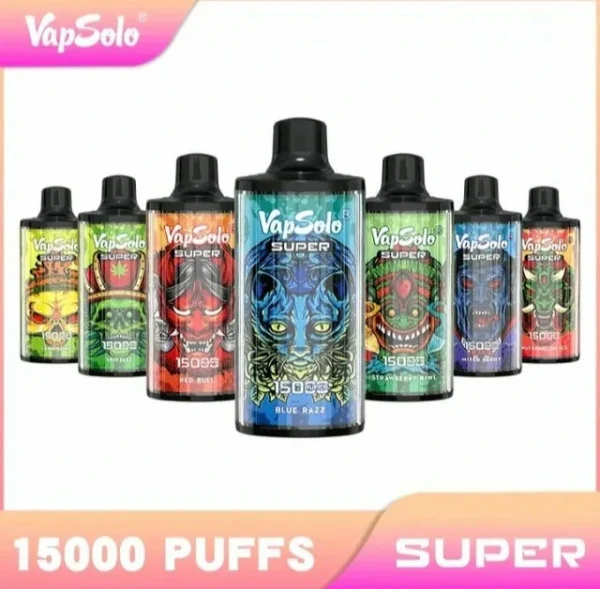
1. Inžinerijos skirtumai: Įkraunamos sistemos vs. Vienkartiniai garintuvai
Šių dviejų aparatūros kategorijų pagrindinių skirtumų supratimas reikalauja pažvelgti į jų vidinę architektūrą. Vienkartiniai garai yra projektuojami kaip uždarosios sistemos. Kiekvienas komponentas - nuo kobalto-ličio baterijos iki vidinės kaitinimo ritės ir iš anksto užpildyto tūrio - yra kalibruotas tam tikram gyvenimo laikui, kuris paprastai svyruoja nuo 600 iki 25 000 įkvėpimų šiuolaikiniuose didelės talpos modeliuose.
Priešingai, įkraunami garintuvai (konkrečiai atidaromų podų ir mod sistemos) naudoja modulinius inžinerinius sprendimus. Baterija yra speciali maitinimo ląstelė, dažnai naudojanti 18650 arba 21700 ličio jonų chemiją, skirtą šimtams įkrovimo ciklų. Ši modulinė struktūra leidžia pasiekti žymiai aukštesnį našumo stabilumo laipsnį.
2026 m. aparatūros techniniai etalonai
- Akumuliatoriaus efektyvumas: Modernūs įkraunami garintuvai pasiekia 95% energijos konversijos lygį naudodami buck-boost keitiklius, tuo tarpu standartiniai vienkartiniai vape įrenginiai išlaiko tiesioginę išėjimo įtampą, kuri gali sumažėti, kai elementas išsenka.
- Terminis Valdymas: Įkraunami įrenginiai dažnai turi reguliuojamą galią (5W iki 200W), leidžiančią tenkinantis ir nuoseklus patirti įvairius skonių pasirinkimai.
- Medžiagos: Nors aukščiausios klasės vienkartiniai vape įrenginiai dabar naudoja perdirbtą PCTG plastiką, įkraunami įrenginiai renkasi aviacijos klasės aliuminį ir cinko lydinius dėl patvarumo.
2. Environmental Accountability: Addressing the “Vape Effect”
Aplinkosauginė diskusija apie vienkartiniai vape įrenginiai has reached a critical point in 2026. Data from the “Material Focus” report indicates that prior to the 2025 bans in several European territories, over 5 million vienkartiniai vape įrenginiai were entering waste streams weekly. This has led to the “Vape Effect”—a 20.6% rise in waste facility fires globally due to the improper disposal of lithium cells.
Pakartotinai įkraunami garintuvai sumažina šį poveikį prailgindami aparatūros gyvavimo ciklą. Vienas pakartotinai įkraunamas įrenginys gali pakeisti 150–300 ekvivalento vienkartiniai vape įrenginiai per visą savo funkcinį laiką, žymiai sumažinant anglies pėdsaką, susijusį su gamyba ir logistika.
1 lentelė: gyvavimo ciklo vertinimo (LCA) palyginimas
| Metrika | Vienkartinės Vapes | Įkraunamos sistemos |
|---|---|---|
| Atliekų dažnis | Kiekvieną 2-7 dienų | Kiekvieną 12-24 mėnesių |
| Ląstelių chemija | Litis-Kobaltas-Oksidas (LCO) | Litis Lithio Manganas (NMC) |
| Perdirbimo Rodiklis | <15% (įvertinta) | >70% (per EPR schemas) |
| CO2 per 1000 įkvėpimų | Apytiksliai. 0,8kg | Apytiksliai. 0,05kg |
3. Ekonominis efektyvumas: ilgalaikė fiskalinė analizė vartotojams ir didmenininkams
From a commercial perspective, the “cost per puff” is the ultimate metric for both end-users and bulk buyers. While vienkartiniai vape įrenginiai siūlo mažą įėjimo barjerą, reguliariai vartotojui kumulatyvinės išlaidos yra didelės. 2025 metų rinkos duomenys rodo, kad sunkus vartotojas Vokietijoje, išleidžiantis 8 € kas vienkartiniai garai kiekvienas du dienas, patirtų daugiau nei 1400 € per metus.
Perėjimas prie įkraunamos sistemos reikalauja išankstinių išlaidų už įrangą ir iš anksto užpildytą tūrį, tačiau priežiūros išlaidos (pakaitinių ritinių ir kapsulių) yra žymiai mažesnės. Didmenims, įsigijusiems abu tipus, suteikiama galimybė tikslingai aptarnauti du skirtingus rinkos segmentus: patogumo ieškančius vartotojus ir vertės ieškančius entuziastus.
Vienkartinis modelis (patogumas)
Žemas CAPEX
Iškartojantis naudojimas, nulinė priežiūra, didelis nešiojamumas. Idealiai tinka bandomųjų vartotojų ir keliautojų poreikiams.
Įkraunamas Modelis (Vertė)
Didelė investicijų grąža
Tinkami išvestis, ilgalaikiai sutaupymai, sumažintas poveikis aplinkai. Idealiai kasdieniams vartotojams.
4. Pritaikymas ir Vartotojo Patirtis Profilis
Pagrindinis įkraunamų įrenginių privalumas yra galimybė tiksliai sureguliuoti skonių pasirinkimas ir garų tankį. Modernūs lustai leidžia vartotojams kontroliuoti ritės įšilimo laiką, užtikrinant lygus ir gaivus, atgaivinamasis, šviežias įkvėpimą kiekvieną kartą. Be to, įvairovė turimų variantų atviroje rinkoje yra daug daugiau nei fiksuoti profiliai, esantys vienkartiniai vape įrenginiai.
- Oro srauto valdymas: Daugelis įkraunamų prietaisų turi tiksliai reguliuojamus AFC (Ortakio Kontrolės) žiedus, leidžiančius atlikti sandarų įkvėpimą iš burnos į plaučius (MTL) arba apribotą įkvėpimą į plaučius (RDL).
- Ritės Atsparumo Pasirinkimas: Users can choose between sub-ohm coils (0.1Ω – 0.5Ω) for large clouds or higher resistance coils (0.8Ω – 1.2Ω) for a more discrete and tenkinantis patirtis.
- Nuolatinė galia: Reguliavimo grandinė užtikrina, kad paskutinis įkvėpimas yra toks pat nuoseklus kaip pirmasis, funkciją, kuri dažnai trūksta pradedančiųjų lygio vienkartiniai vape įrenginiai.
5. Atitiktis ir Sauga: Naršymas Tbcco Produktų Direktyvoje
Saugumas yra itin svarbus 2026 m. rinkoje. The Tabako gaminių direktyva įpareigoja griežtus standartus sandariems dizainams, vaikams atspariai pakuotei ir ingredientų skaidrumui. At VAPEXYZ, užtikriname, kad kiekvienas vienkartiniai garai ir mūsų didmeninės prekybos kataloge įkraunama sistema atitinka arba viršija šiuos Europos saugos standartus.
Neseniai 2025 metais Kalifornijos universiteto Deiviso tyrimas parodė, kad nereguliuojami vienkartiniai vape įrenginiai gali išskirti nedidelį kiekį metalų iš žemos kokybės kaitinimo elementų. Tai pabrėžia, kaip svarbu pirkti iš patikimų gamintojų, kurie naudoja medicininės kokybės 316L nerūdijantį plieną arba Kanthal AF spirales ir aukšto grynumo keraminius užpildymo sistemas.

6. Pakartojamų išmetamų garintuvų populiarėjimas: hibridinis sprendimas
Reikšminga 2026 metų tendencija - didelės talpos vienkartiniai vape įrenginiai įrenginiai, kuriuose yra USB-C įkrovimo prievadas. Šie įrenginiai, dažnai suteikiantys 10 000–30 000 įkvėpimų, užpildo spragą tarp tradicinių vienkartinių ir įkraunamų sistemų. Jie pasirūpina, kad akumuliatorius niekada neišsikrautų prieš iš anksto užpildytas tūris yra visiškai išnaudotas, maksimaliai padidindamas vartotojo vertę.
“The shift toward rechargeable vienkartiniai vape įrenginiai has reduced the volume of lithium batteries ending up in landfills by 35% in the last 18 months, as users move toward higher-capacity, longer-lasting devices.” — Džekas, „VapeXYZ“ įkūrėjas
7. Rinkos tendencijos: kodėl Europa pirmauja pereinant
Europos rinka šiuo metu yra antra pagal dydį pasaulyje, o prognozuojamas metinis augimo koeficientas iki 2034 m. siekia 16,03%. Šalys kaip Prancūzija ir JK ėmėsi pirmųjų žingsnių su agresyviomis perdirbimo iniciatyvomis ir mažos talpos, neįkraunamų vienkartiniai vape įrenginiai to combat litter. This has accelerated the adoption of “Big Puff” rechargeable disposables and advanced pod systems.
Kaip pirmaujanti didmeninės prekybos platforma, VAPEXYZ pastebėjo 40% padidėjimą paklausos įkraunamų pod sistemų Vokietijoje ir Nyderlanduose per pastaruosius fiskalinius metus. Tai rodo rinkos brendimą, kai vartotojai pirmiausia vertina patikimumą ir nuoseklus našumą, o ne gryną vienkartinumą.
8. Pagrindiniai žinių punktai: Įrangos pasirinkimo vadovas
Į ką atkreipti dėmesį 2026 m. garintuvo įrangoje
Nesvarbu, ar esate mažmeninis vartotojas ar didmeninis pirkėjas, pirmiausia atkreipkite dėmesį į šiuos techninius ypatumus:
- Lustų saugumas: Apsauga nuo perkrovimo ir trumpųjų jungimų.
- Šildymo elemento medžiaga: Tinklelio šildymo elementai geresniam skonių pasirinkimas ir ilgaamžiškumas.
- Perkeliamumas: Ergonomic designs that don’t sacrifice battery capacity.
- Atitiktis: Pilnas Tabako gaminių direktyva 20 straipsnio sertifikatas.
- Įkrovimas: USB-C greitas įkrovimas (0-80% per 30 minučių).
- Tūrio skaidrumas: Skaidrūs langai likusio stebėjimui iš anksto užpildytas tūris.
9. Raginimas veikti: užtikrinkite savo didmeninės prekybos pranašumą su VAPEXYZ
Ar jūs ieškote būdų išplėsti savo verslą Europos rinkoje? VAPEXYZ yra didžiausia internetinės didmeninės prekybos platforma vienkartiniai vape įrenginiai and rechargeable hardware in the Netherlands, Germany, Belgium, France, Portugal, Spain, Poland, and Denmark. We offer the industry’s most competitive pricing on top-tier brands, ensuring your inventory is both high-performing and fully compliant with the latest Tabako gaminių direktyva standartai.
Prisijunkite prie tūkstančių sėkmingų partnerių. Pirkite didmeninės prekybos vienkartines garintuvas dabar.

10. D.U.K.: Ekspertų Įžvalgos apie Įkraunamus ir Vienkartinius Garintuvus
1. Kodėl įkraunamos vape laikomos pigesnėmis?
Įkraunami įrenginiai leidžia jums iš naujo naudoti brangiausias dalis (bateriją ir grandinę). Tik pakeitus naudojamą kapsulę arba ritę ir papildžius talpa, jūs sutaupote maždaug 60-70%, palyginti su lygiaverčių vienkartiniai vape įrenginiai pirkimu per 12 mėnesių laikotarpį.
2. Ar atsargos pasirinkimas geresnis įkraunamuose garintuvuose?
Paprastai, taip. Įkraunami įrenginiai naudoja aukštesnės kokybės tinklelio spirales ir leidžia reguliuoti energijos nustatymus, o tai išryškina daugiau niuansų skonių pasirinkimas. Kol vienkartiniai vape įrenginiai yra puikūs nuoseklus ir tenkinantis patirtis, įkraunamos sistemos siūlo gilesnį įvairovė profilių.
3. Kaip aš galiu atsakingai išmesti savo garintuvą Europoje?
Under the EU’s Extended Producer Responsibility (EPR), retailers are often required to take back used vienkartiniai vape įrenginiai. Jų niekada neturėtumėte mesti į įprastą šiukšliadėžę dėl ličio baterijos gaisro rizikos. Ieškokite specialių WEEE (atliekų elektros ir elektroninės įrangos) konteinerių savo vietinėje parduotuvėje arba perdirbimo centre.
4. Ar galiu pirkti įkraunamus vienkartinius garintuvus dideliais kiekiais Vokietijos rinkai?
Taip. VAPEXYZ specializuojasi į didelės talpos vienkartiniai vape įrenginiai kuri yra įkraunami ir visiškai atitinka Vokietijos ir ES Tabako gaminių direktyva reguliacijas. Mes tvarkome logistiką ir atitiktį, kad galėtumėte sutelkti dėmesį į pardavimus.
Išvada
Renkantis tarp įkraunamų garintuvų ir vienkartiniai vape įrenginiai ultimately depends on the user’s lifestyle and values. Vienkartiniai garai išlieka aukso standartas patogumui ir naudojimo lengvumui, todėl jie yra būtini keliautojams ir tiems, kurie pereina prie garavimas. Tačiau, Įkraunami vape įrenginiai siūlo tvaresnę, pritaikytą ir ekonomiškai efektyvesnę ateitį ilgalaikiams entuziastams.
Įmonėje VAPEXYZ, mes tikime, kad savo klientams turime pasiūlyti geriausias iš abiejų pasaulių. Siūlydami aukščiausios kokybės, atitinkančius reikalavimus įrenginius visoje Europoje, mes padedame savo partneriams išlikti prieš reguliavimo pokyčius ir rinkos tendencijas. Nesvarbu, ar ieškote naujausių didelio pufavimo vienkartiniai vape įrenginiai ar pažangių įkraunamų pod sistemų, mūsų didmeninės prekybos platforma yra jūsų vartai į sėkmę 2026 metais garas pramonė.
Atsisakymas: Šiame straipsnyje pateikta informacija grindžiama pramonės duomenimis ir rinkos tendencijomis 2026 metais. Visi aptariami įrenginiai turėtų būti naudojami atsakingai ir pagal vietinius įstatymus.